
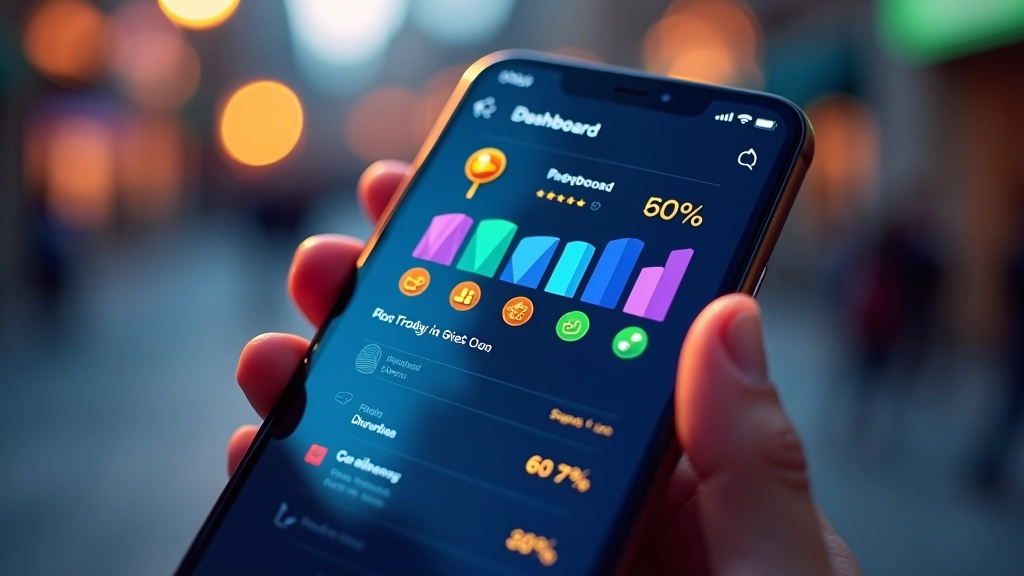
Free-to-Play Models That Keep Players Coming Back
How progressive reward systems and seasonal content create ongoing engagement without forcing immediate purchases.
Read Guide
We’re focused on something most game studios get wrong: monetization that doesn’t feel like monetization. It’s the difference between players feeling nickeled-and-dimed versus genuinely wanting to support the game they love.
The best monetization systems align with how players actually want to spend money. Whether it’s cosmetics that don’t affect gameplay, battle passes that feel rewarding, or progression systems that don’t demand constant spending — the strategy starts with understanding what your players value.
That’s what we’ll explore. Not quick tricks or aggressive monetization tactics. Just real strategies based on how engaged players behave, what retention looks like, and how sustainable revenue actually works.
Revenue follows when players aren’t frustrated
Metrics tell you what’s actually working
Long-term player loyalty beats short-term squeezes
Different approaches work for different games and player bases
The model most players expect. It’s not about forcing spending — it’s about creating progression that feels meaningful whether someone pays or not. We’ll explore how seasonal content, battle passes, and cosmetics fit together to create sustainable revenue without alienating free players.
Read the guideWhen done right, players actually feel like they’re getting value. The structure, timing, and rewards matter more than the price.
Learn moreThe lowest-friction revenue stream. Players don’t mind spending on cosmetics when they feel personal and don’t affect competitive play.
ExploreNot all analytics are created equal. We’ll break down which player metrics actually predict long-term revenue health.
Dive inThe systems that keep players coming back. Daily quests, seasonal events, and progression milestones work together to create habit-forming gameplay.
Dual-currency or single? Premium-only items or hybrid? The structure affects both player perception and revenue potential.
Principles that guide every strategy we recommend
Monetization systems that don’t feel predatory perform better long-term. Players can sense when they’re being respected versus exploited. That distinction matters for retention and word-of-mouth.
When players getting better AND spending money both help the studio, that’s alignment. When one conflicts with the other, players will resent monetization no matter how good the game is.
Assumptions about what players want are often wrong. You need retention curves, cohort analysis, and spending patterns to understand what’s actually working versus what feels right.
The first battle pass design you ship won’t be optimal. The first cosmetic price won’t be perfect. Successful monetization is refinement based on real player behavior, not theory.
Deep dives into specific monetization strategies
How progressive reward systems and seasonal content create ongoing engagement without forcing immediate purchases.
Read Guide
Creating seasonal progression that feels rewarding whether players spend or not. Includes structure, timing, and reward balancing.
Read Guide
Which analytics matter and which are noise. Learn what retention curves tell you about player satisfaction and long-term health.
Read GuideHow understanding monetization changes your approach
How studios are approaching monetization smarter
“We weren’t tracking the right metrics. We thought player retention was the problem, but it turned out we were just pricing cosmetics wrong. Once we understood what players actually valued, everything changed.”
“We were overthinking it. The best monetization isn’t the one that extracts the most money from players — it’s the one players don’t resent. That shift in thinking made our revenue sustainable instead of a constant battle.”
Whether you’re launching a new game or optimizing an existing one, understanding player-centric monetization changes everything. Start with the guides, dig into the data, and build systems your players actually respect.
Get in Touch